


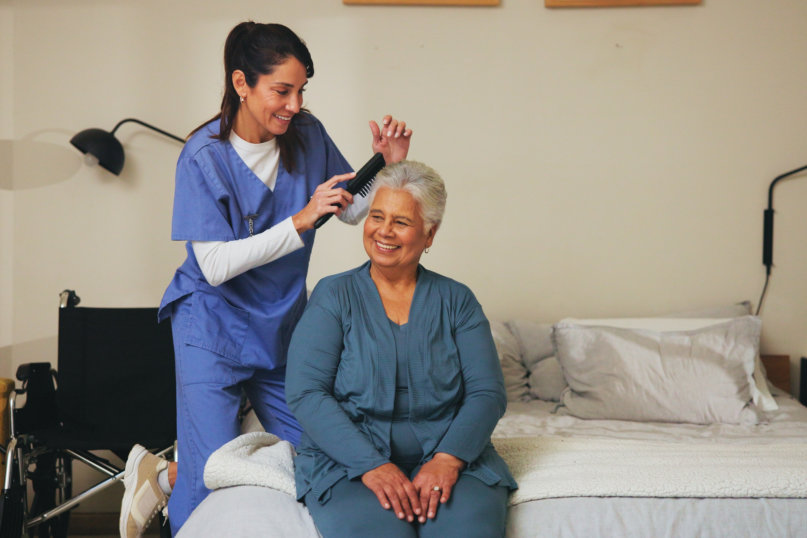
No two people are the same—and neither are their care needs. Personalized home care recognizes that individuals require different levels of support at different stages of life. From young adults with disabilities to seniors aging at home, tailored care makes a meaningful difference.
Care That Adapts to Life’s ChangesPersonalized home care evolves as needs change. Care plans are designed around:
- Physical abilities and health conditions
- Daily routines and personal preferences
- Emotional, social, and cultural needs
This flexible approach ensures individuals receive the right level of support without losing independence.
Empowering Independence at Every AgeRather than taking over, personalized care encourages individuals to stay active participants in their own lives. Caregivers provide guidance, assistance, and encouragement—allowing clients to maintain dignity and self-confidence.
Stronger Relationships, Better CareWhen care is personal, trust grows. Clients feel more comfortable, caregivers understand preferences, and families gain peace of mind knowing their loved one is truly known—not just cared for.
Personalized home care isn’t just about support—it’s about honoring life, individuality, and growth at every stage.What In-Home Care Really Looks Like: A Day in the Life of a Caregiver
In-home care is more than a list of tasks—it’s a partnership built on trust, compassion, and connection. Understanding what caregivers do each day helps families see the true value of in-home support.
Starting the Day with PurposeA caregiver’s day often begins by helping clients start their morning safely and comfortably. This may include
- Assistance with bathing, dressing, or grooming
- Preparing nutritious meals
- Medication reminders
Each task is done at the client’s pace, with respect and patience.
Supporting Daily Living and WellnessThroughout the day, caregivers provide support that promotes independence—whether it’s mobility assistance, light housekeeping, or accompanying clients to appointments. They also monitor well-being and report changes to families or healthcare providers.
Building Meaningful ConnectionsCompanionship is a vital part of caregiving. Conversations, shared activities, and emotional support help reduce loneliness and create genuine bonds.
Ending the Day with ComfortEvening routines focus on relaxation, safety, and comfort—ensuring clients feel secure and cared for.
In-home caregivers do more than assist—they uplift, support, and enhance daily life.Home Health Services Explained: Medical Care Without Leaving Home
Home health services allow individuals to receive professional medical care without the stress of frequent clinic or hospital visits. This approach brings healthcare directly to the comfort of home—where healing often happens best.
What Are Home Health Services?Home health services are provided by licensed medical professionals and may include:
- Skilled nursing care
- Health assessments and monitoring
- Medication management
These services are ideal for individuals recovering from illness, surgery, or managing chronic conditions
Benefits of Receiving Care at HomeReceiving medical care at home offers:
- Greater comfort and convenience
- Reduced risk of hospital readmission
- Personalized, one-on-one attention
Patients often experience better outcomes when care is delivered in a familiar environment.
Coordinated and Professional CareHome health teams work closely with physicians and family members to ensure care plans are followed and adjusted as needed.
Home health services make high-quality medical care more accessible, personal, and effective—right at home.Focusing on Strengths: Supporting Individuals with Developmental Disabilities
Support for individuals with developmental disabilities should focus on abilities, not limitations. A strengths-based approach empowers individuals to grow, gain independence, and participate fully in their communities
Individualized Support PlansEach person has unique strengths, goals, and challenges. Personalized care plans focus on:
- Daily living skills
- Communication and social development
- Community engagement and independence
This approach builds confidence and encourages progress.
Encouraging Independence and Choicearegivers support individuals in making choices and participating in their own care. By promoting autonomy, individuals develop life skills and self-esteem.
Creating Meaningful ConnectionsSocial interaction and community involvement are essential. Support services help individuals build relationships, explore interests, and feel a sense of belonging.
Compassionate, Respectful CareRespect and patience are at the core of developmental disability support. When individuals feel valued, they thrive.
By focusing on strengths, we help individuals with developmental disabilities live empowered, fulfilling lives.
Leave a Reply